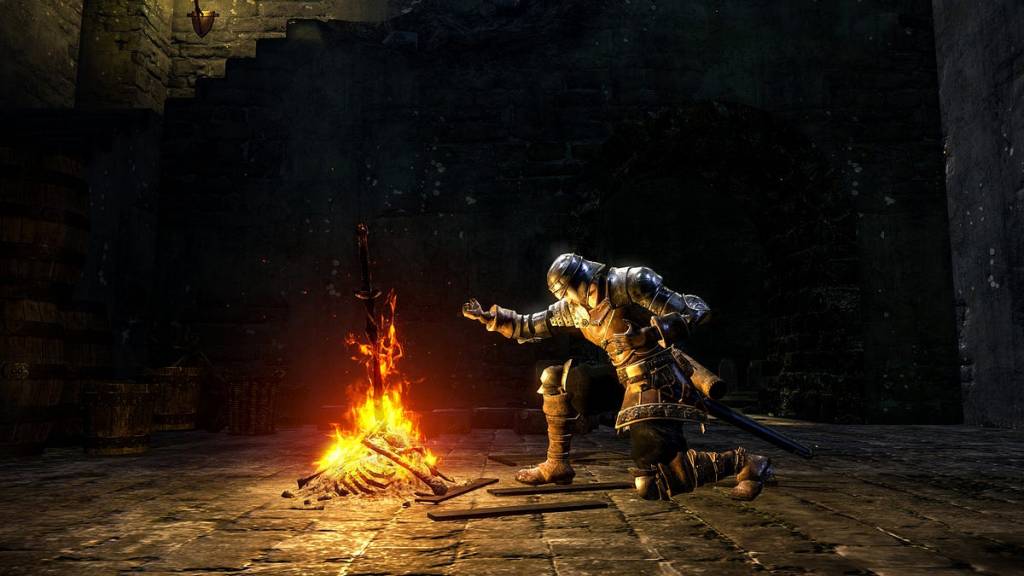
Difficulty, Deception and Death: The Design of a Souls-Like
The gaming landscape has been forever changed by the emergence of Souls-like games, a genre known for its unforgiving difficulty, deep world-building, and intricate mechanics. Games like Dark Souls, Bloodborne, and Sekiro: Shadows Die Twice have not only set a new benchmark for action RPGs but have introduced a philosophy where players must embrace difficulty, deception, and death as core elements of gameplay. As the gaming industry continues to evolve, platforms like Slot Gacor have become essential for players seeking new challenges, often showcasing these kinds of demanding experiences. In this article, we will dive deep into the design of a Souls-like game, examining how its core principles of difficulty, deception, and death create an engaging, rewarding, and at times punishing experience for players.
The Core of Difficulty: Embracing the Challenge
The defining trait of Souls-like games is their punishing difficulty. Unlike traditional games that often offer difficulty settings or a forgiving approach to failure, Souls-like titles present a world where every mistake comes with consequences. Combat is deliberate, enemies are tough, and death is always lurking around the corner. But it is this difficulty that has become a hallmark of the genre and a reason why fans are so passionate about it.
One of the key design choices that make these games difficult is the stamina-based combat system. Players must carefully manage their stamina when attacking, dodging, and blocking, making every action count. In the heat of battle, recklessness can lead to swift punishment. Players cannot simply spam attacks or hope to win through brute force. Timing, positioning, and strategy all come into play, which requires players to adapt to every encounter.
This difficulty also manifests in the game’s enemies. Whether it’s the slow, powerful bosses or the seemingly endless hordes of regular enemies, every foe in a Souls-like game is designed to make players think before they act. Each encounter is a puzzle, with players needing to learn enemy patterns, exploit weaknesses, and remain patient. A single mistake can lead to death, forcing players to learn from their failures and come back with a new strategy.
Deception: The Art of Luring and Misdirection
In addition to challenging combat, deception plays a critical role in the design of Souls-like games. These games are not just about fighting enemies—they are about tricking and misleading players, often through environmental cues or the actions of NPCs. This element of deception heightens the tension and makes players second-guess their every move.
One of the most subtle forms of deception in Souls-like games is the use of environment and level design. Players often encounter hidden traps, illusory walls, and unexpected ambushes. For example, seemingly peaceful areas may suddenly be overrun by enemies, or a chest that appears to be a valuable item might turn out to be a trap. The game’s world is often designed to feel hostile, with dangers lurking just beneath the surface. This sense of constant uncertainty forces players to be cautious, thinking carefully before interacting with anything in the environment.
The level design is a major contributor to this feeling of deception. Souls-like games are famous for their interconnected worlds that often loop back on themselves, hiding shortcuts or secret paths. Sometimes, players will find themselves in familiar areas they thought they had already fully explored, only to discover new routes or surprises. This design creates a sense of discovery, but it also means players can never fully trust their surroundings.
Another key form of deception is the use of NPCs and other players. In many Souls-like games, NPCs offer cryptic dialogue or quests that may not be what they seem. Some characters who appear helpful can later betray the player, while others may not provide all the information needed to complete their tasks. These unpredictable interactions make it difficult to trust anyone completely, keeping players on edge throughout the game.
The multiplayer component of Souls-like games also plays into the theme of deception. Player invasions, where one player can enter another’s world to either help or hinder them, add a unique layer of tension. Invading players can deceive the host by using the environment to their advantage or setting traps. In some cases, players can even disguise themselves as NPCs or other characters, leading to an even greater sense of uncertainty. The line between friend and foe is often blurred, keeping players constantly questioning who they can trust.
Death: An Inevitable Teacher
Perhaps the most iconic element of Souls-like games is the role that death plays. In most games, death is a setback that resets progress, requiring players to load from a checkpoint or try again. In Souls-like games, however, death is not just a failure but an integral part of the game’s design and progression.
When players die in a Souls-like game, they lose the souls or equivalent currency they have accumulated, which can be used to level up or purchase items. However, they are given a chance to recover those lost resources by returning to the spot where they died. This creates a constant tension between risk and reward, as players must weigh the danger of going back to their place of death to retrieve their lost progress. If they die again before recovering their resources, they are lost forever.
Death also serves as a teacher in these games. Every time players die, they learn something new about the game’s mechanics or the behavior of enemies. The process of trial and error becomes essential to mastering the game. For example, players may learn enemy patterns, discover which weapons are most effective, or figure out how to navigate difficult environments. Rather than being a discouraging event, death in Souls-like games encourages players to push forward and improve. It becomes less about avoiding death and more about embracing it as a necessary part of the journey.
The psychological impact of death in Souls-like games is another reason why these games resonate with players. Every death feels significant, and players feel the weight of their mistakes. The satisfaction of overcoming a particularly difficult boss or area is made all the sweeter by the many failures that came before. The sense of achievement that comes from mastering a challenging game and overcoming death is one of the primary reasons these games have garnered such a loyal fanbase.
Conclusion
The design of Souls-like games has reshaped how we think about difficulty, deception, and death in video games. These elements work together to create a gaming experience that is challenging, rewarding, and deeply immersive. The difficulty forces players to think strategically, while the deception keeps them on their toes, never fully trusting their surroundings. Death, instead of being a setback, becomes an integral part of the learning process, pushing players to refine their skills and grow.
As platforms like Slot Gacor continue to showcase these types of demanding games, players have access to some of the most rewarding experiences in the gaming world. Souls-like games are not for the faint of heart, but for those who dare to face the challenge, they offer some of the most satisfying and unforgettable adventures in gaming. The combination of difficulty, deception, and death is a formula that has proven to be a winning one, and it will undoubtedly continue to inspire developers for years to come.
 Site Title